


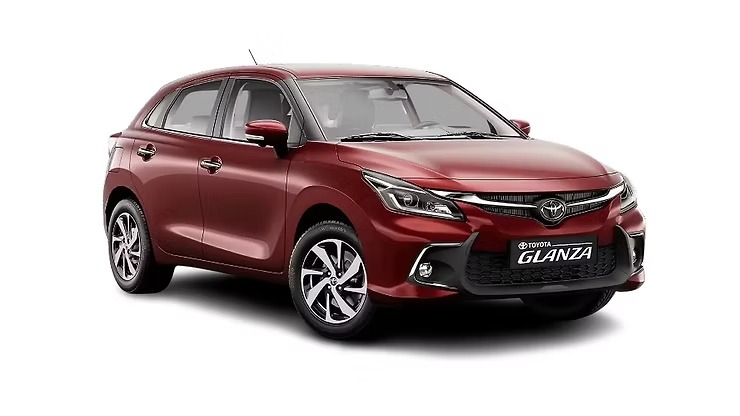
October 2026 is set to be an important month for the Indian automobile market, with new launches expected across several segments. Buyers could see everything from an updated premium hatchback and a new midsize hybrid SUV to premium electric models and a next-generation luxury SUV.
Among the most anticipated introductions are the Toyota Glanza facelift, Renault Duster E-Tech Hybrid and Hyundai Bayon. The luxury car space is also expected to see fresh additions from Volvo and Audi.
While launch schedules have been indicated for several models, some specifications, features and India-specific details are yet to receive official confirmation.
October 2026 New Car Launches at a Glance
| Model | Expected Launch / Debut | Segment |
|---|---|---|
| Toyota Glanza Facelift | October 14 | Premium hatchback |
| Renault Duster E-Tech Hybrid | October 17 | Midsize SUV |
| Hyundai Bayon | Mid-to-late October | SUV |
| Volvo EX90 / ES90 | October 12 | Luxury electric cars |
| New Audi Q3 | October 16 | Luxury SUV |
The dates above are based on the supplied launch schedule and should be considered provisional unless officially confirmed by the respective manufacturers.
Toyota Glanza Facelift: Expected on October 14
Toyota is expected to give the Glanza a significant update with revised styling, additional features and potentially a new petrol engine.
Since the Glanza shares its platform and mechanical foundation with the Maruti Suzuki Baleno, the facelift is expected to follow a broadly similar update approach.
What could change on the outside?
The revised Glanza is expected to receive:
- A redesigned and potentially larger front grille
- Updated front and rear bumpers
- New alloy wheel designs
- Additional styling changes to the exterior
Potential feature upgrades
The facelift could also bring more equipment, including Level 2 ADAS, ventilated front seats and a wireless smartphone charger. However, these features have not yet been officially confirmed for the India-specification model.
Possible engine changes
One of the possibilities mentioned in the supplied launch information is a new 1.2-litre, three-cylinder Z12E petrol engine, expected to produce around 83 hp.
The proposed gearbox lineup could include a five-speed manual and five-speed AMT. A factory-fitted CNG version producing around 70 hp has also been suggested.
These engine and transmission details remain subject to Toyota’s final confirmation.
Our Take
The Glanza facelift could help Toyota strengthen its presence in the premium hatchback space. If the updated model combines additional safety and convenience features with competitive pricing, it could become a stronger proposition for urban buyers.
Renault Duster E-Tech Hybrid: Expected October 17
The return of the Renault Duster with strong-hybrid technology could be one of the month’s most important launches.
With fuel economy becoming an increasingly important consideration for SUV buyers, the proposed E-Tech 160 hybrid system could give the Duster a distinct advantage in the midsize SUV segment.
The system combines a petrol engine with two electric motors and a battery pack to improve efficiency, particularly during city driving.
Expected Duster Hybrid Powertrain
| Specification | Expected Details |
|---|---|
| Hybrid system | E-Tech 160 |
| Petrol engine | 1.8-litre |
| Electric motors | Two |
| Battery | 1.4 kWh |
| Combined power | 160 hp |
| Reported torque | 172 Nm |
| Transmission | 8-speed dedicated hybrid transmission |
These figures are based on the supplied information and remain subject to confirmation for the India-specification vehicle.
One of the notable aspects of Renault’s proposed setup is its dedicated hybrid transmission. This differs from the e-CVT systems used by some competing strong-hybrid SUVs.
Renault’s technology is also claimed to enable the vehicle to operate electrically for up to 80% of city driving in suitable conditions. This figure refers to the proportion of city driving that could be covered using electric operation and should not be interpreted as an 80% electric-only range.
Main Rivals
If launched with this powertrain, the Duster Hybrid would compete with models such as the Maruti Suzuki Grand Vitara Strong Hybrid and Toyota Urban Cruiser Hyryder Strong Hybrid.
Our Take
The Duster Hybrid could appeal to buyers who want the practicality and stance of an SUV while reducing fuel consumption without having to rely on an external charging setup.
Its final pricing, actual fuel efficiency and India-specific feature list will play a major role in determining how competitive it is.
Hyundai Bayon: Expected in the Second Half of October
Hyundai is expected to add another SUV to its Indian lineup with the Bayon, which is reportedly positioned between the Venue and Creta.
This positioning could make the Bayon an option for customers who want more space and premium features than a conventional compact SUV but do not want to move directly into the midsize SUV category.
The supplied schedule indicates that bookings reportedly began on September 23. However, India-specific booking and launch information still requires official confirmation.
Possible Powertrain Options
The Bayon is expected to use Hyundai’s 1.5-litre naturally aspirated petrol engine, potentially paired with either a six-speed manual or CVT.
A CNG version has also been discussed, potentially using an underbody CNG tank layout to minimise the impact on luggage space.
These specifications have not yet been confirmed for the Indian market.
Where Could the Bayon Fit?
The model could appeal to buyers who are currently considering higher variants of compact SUVs or entry-level versions of midsize SUVs.
Its eventual positioning will depend heavily on its final dimensions, equipment list and pricing.
Our Take
Hyundai already has the Venue and Creta covering important parts of the SUV market. For the Bayon to establish a distinct identity, it would need to offer a clear advantage in areas such as cabin space, equipment or pricing.
Volvo EX90 and ES90: Two Electric Flagships on October 12
Volvo is scheduled to introduce the EX90 and ES90 in India on October 12, 2026, giving the premium EV market two new additions.
The EX90 will become the flagship SUV in Volvo’s electric range, while the ES90 will bring an all-electric sedan to the brand’s Indian lineup.
Volvo EX90
The EX90 is expected to feature:
- 106 kWh battery
- Dual-motor all-wheel drive
- Up to 625 km WLTP-rated range
- Large touchscreen infotainment system
- Advanced driver assistance technology
- Premium cabin materials
- Multi-row seating
The SUV is positioned as Volvo’s flagship electric SUV and is aimed at buyers seeking a combination of luxury, safety and electric performance.
Volvo ES90
The ES90 represents Volvo’s return to India’s luxury sedan segment with a fully electric model.
The international specification is expected to use a 106 kWh battery, with a claimed WLTP range of up to 696 km in the relevant configuration.
Our Take
Launching the EX90 and ES90 together gives Volvo an opportunity to expand its presence across India’s premium electric vehicle market. The two models will target different body styles while sharing a focus on luxury, safety and electric power.
Third-Generation Audi Q3: India Launch on October 16
Audi is scheduled to bring the third-generation Q3 to India on October 16.
The new-generation compact luxury SUV is expected to arrive with an updated exterior, a more technology-focused cabin and revised equipment. The model is also being locally assembled in India, which could help Audi maintain a more competitive cost structure.
Expected Q3 Specifications
| Specification | Expected Details |
|---|---|
| Engine | 2.0-litre turbo-petrol |
| Power | Approximately 204 hp |
| Torque | 320 Nm |
| Transmission | 7-speed dual-clutch automatic |
| Drivetrain | Quattro all-wheel drive |
The new Q3 is expected to feature a redesigned grille, split LED headlamps, a larger infotainment display, digital instrumentation, a panoramic sunroof and a 360-degree camera.
The SUV will continue to compete against models such as the BMW X1 and Mercedes-Benz GLA.
Our Take
The new Q3 could be an attractive choice for buyers looking for a compact luxury SUV with updated styling and stronger technology credentials.
However, its final price and the equipment offered with each variant will be important in determining whether it can gain an advantage over its German rivals.
Which October 2026 Car Launch Should You Keep an Eye On?
Different launches will appeal to different types of buyers.
| Buyer Requirement | Model to Watch |
|---|---|
| Premium hatchback for city driving | Toyota Glanza Facelift |
| Hybrid family SUV with an emphasis on efficiency | Renault Duster Hybrid |
| New SUV option between compact and midsize segments | Hyundai Bayon |
| Premium electric SUV | Volvo EX90 |
| Luxury electric sedan | Volvo ES90 |
| Compact luxury petrol SUV | Audi Q3 |
October 2026 Launches: What Buyers Should Expect
The October launch calendar covers a wide range of requirements, from affordable urban cars to premium electric vehicles.
The Toyota Glanza facelift could appeal to buyers looking for an updated hatchback, while the Renault Duster Hybrid has the potential to make the biggest impact among mainstream SUV launches if its pricing and efficiency figures are competitive.
The Hyundai Bayon could create another option for SUV buyers, although its success will depend on how Hyundai positions it against the Venue and Creta.
At the premium end, Volvo’s EX90 and ES90 will add two new electric choices, while the third-generation Audi Q3 will target customers in the compact luxury SUV segment.
As several India-specific specifications and features are still awaiting confirmation, buyers should wait for official announcements before making a final purchase decision.


